Skip to content
Photo 1606575333637 f3aefbbc1099?ixid=m3w1nzq5otv8mhwxfgfsbhx8fhx8fhx8fde3odk1mdq0otz8&ixlib=rb 4.1

Clear Parking Lot Lines Are Critical for Businesses (Continued)

It is important to recognize that a vehicle staging zone is not merely a parking area; it acts as the primary entrance corridor that establishes the tone for your visitors' experience. If the surface is cracked, faded, and disorganized, it can lead to frustration and anxiety even before guests step through the front door.
To create a welcoming and professional atmosphere, consider the following:
  • Ensure that your layout is organized, clear, and easy to navigate.
  • Maintain crisp, highly visible parking lot lines that guide drivers and protect your assets.
These steps are vital components of effective property management and will contribute significantly to enhancing your brand's perception right from the moment visitors arrive.
As we strive to create a welcoming and safe environment within our commercial development, it’s essential to recognize the impact of clear and defined parking lot line markings. Visitors expect a structured and predictable area where they can navigate their vehicles without confusion. However, faded markings—resulting from sun exposure, harsh weather conditions, and continuous friction—can lead to disorder and potential safety hazards.
When the lines are not clearly visible, drivers may find it difficult to determine where to position their vehicles. This confusion can lead to:
  • Frustration among drivers
  • Blocked lanes
  • Increased risk of accidental collisions
Statistically, MotorBiscuit reports that 20% of car accidents occur in parking lots and garages. This highlights the critical need for maintaining order in these high-traffic zones to ensure the safety of our patrons and protect our organization from liability.
Restoring the parking lot line markings is a straightforward and cost-effective preventative measure. By taking this action, we can quickly restore order, reduce the likelihood of vehicular accidents, and provide a safe environment for everyone who visits your property.

By prioritizing the restoration, we will achieve the following benefits:
  • Maximize vehicle space
  • Direct safe flow of traffic
  • Minimize legal risks
  • Ensure federal compliance
  • Elevate the commercial aesthetics of our property
  • Improve pedestrian protection

If you have questions about these issues or would like to discuss options, please feel free to reach out to Rick's Asphalt Services.
Back Get Your FREE Estimate
W2

The Importance of Protecting Your Asphalt (Continued)

As part of maintaining your asphalt surfaces, it is crucial to recognize common issues that may arise over time. Addressing these problems early can help you avoid more serious repairs down the line. Here are four common asphalt issues to watch for:

1. Raveling
If you notice loose stones and bits of asphalt on your pavement, it may be experiencing raveling. This occurs when the liquid binder that holds the asphalt together becomes brittle, causing the surface to crumble into smaller pieces.

2. Cracking
Asphalt cracks can occur due to various factors, with temperature fluctuations being a primary cause. These changes can cause the ground to expand and contract, leading to cracks. Water infiltration exacerbates the issue by weakening the base layer or freezing within the cracks.

3. Alligatoring
The term "alligatoring" refers to a series of small cracks forming in a pattern resembling alligator skin. This is often indicative of subgrade issues, primarily caused by water seeping into cracks and destabilizing the underlying support.

4. Potholes
Potholes can be annoying and potentially damaging. They may form due to weakened subgrade, improperly compacted asphalt, or neglected alligatoring. Once they appear, potholes can enlarge rapidly, so prompt repairs are essential.

It's important to note that not all asphalt problems are immediately visible. Implementing good maintenance practices is advisable, even if your surface seems perfect.

If you have questions about these issues or would like to discuss maintenance options, please feel free to reach out to Rick's Asphalt Services.
Back Get Your FREE Estimate

5 Keys To Maintaining Your Asphalt (Continued)

1. Sealcoating
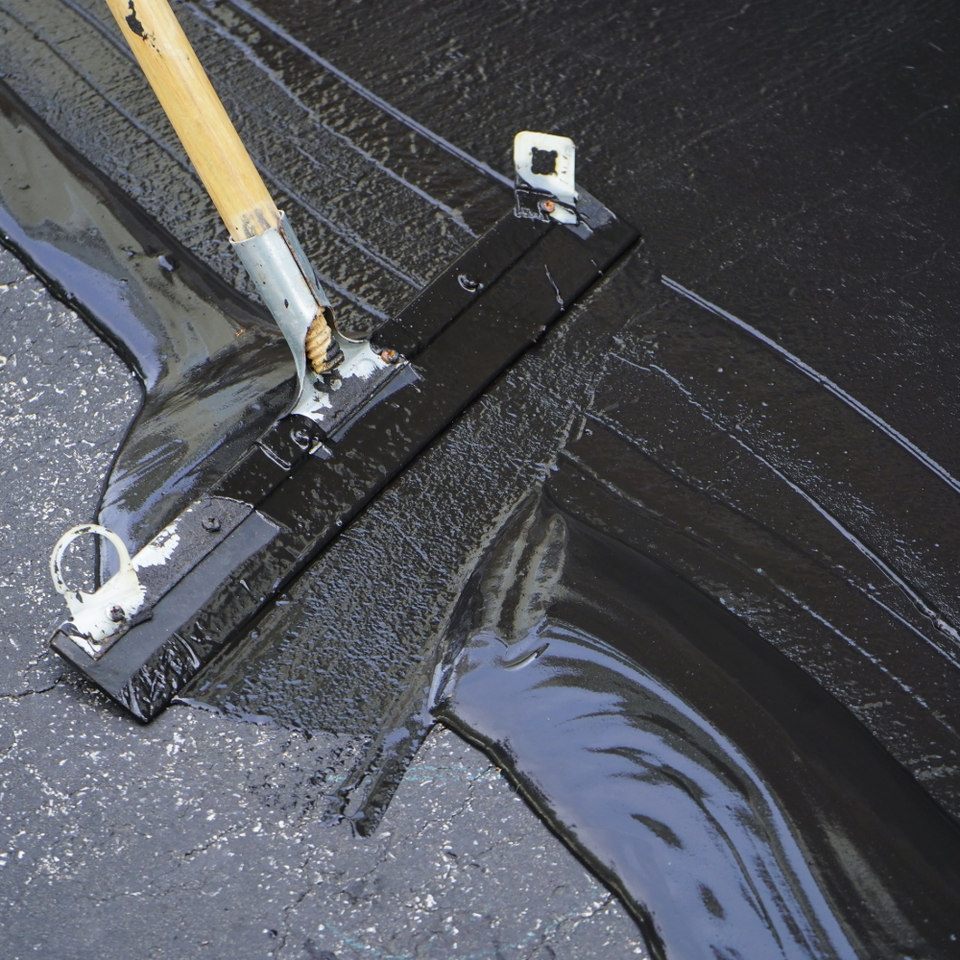
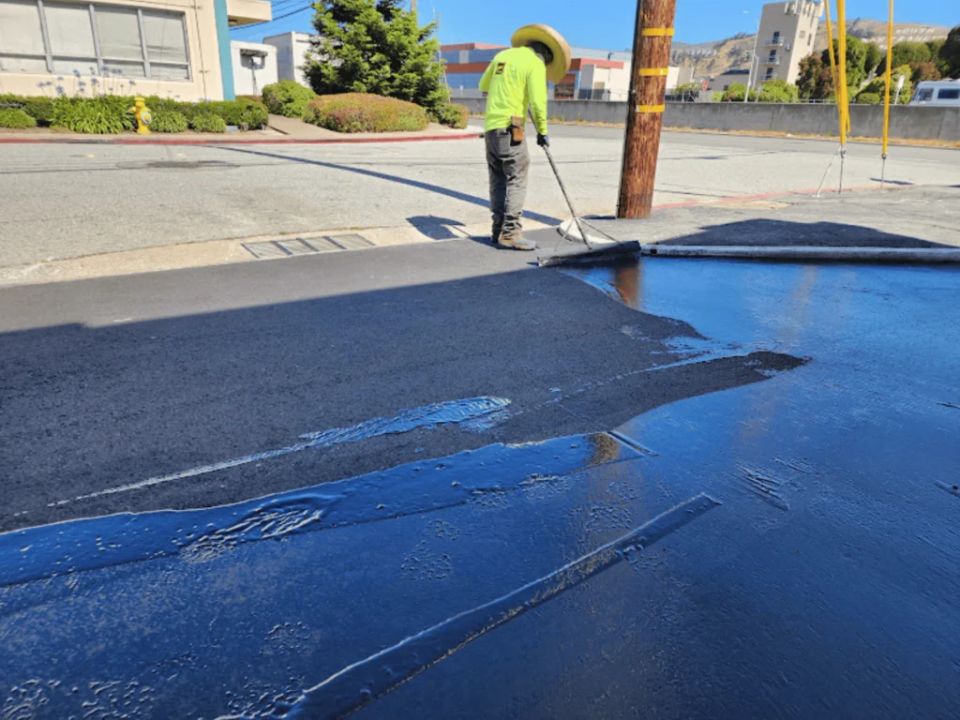
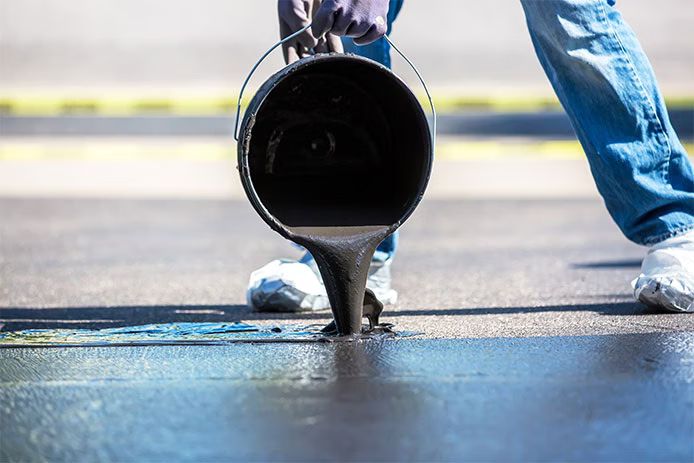
The most crucial step in preserving your asphalt is sealcoating. This protective coating, made of bituminous-based products or acrylics, is applied on top of your pavement to provide an effective layer of defense. Here’s why sealcoating is so vital:

- It seals any minor cracks that may be forming, preventing them from expanding and allowing water to infiltrate the subgrade.
- It helps maintain the flexibility of the asphalt binder, preventing it from drying out and becoming brittle.
- It gives your asphalt a fresh, even black surface that resembles new pavement.

Regular sealcoating is the best strategy to keep your pavement looking great and performing well. For more details, I encourage you to read our blog, Understanding the A-Z of Sealcoating.

2. Crack and Pothole Filling
Small cracks and potholes can quickly enlarge if not addressed promptly. When water infiltrates these openings, especially in freezing conditions, it exacerbates the damage. Therefore, it’s important to fill any small potholes and cracks as soon as possible to prevent further deterioration.

Additionally, here are a few other important considerations for asphalt maintenance:

- Cleaning Up Spills: Chemicals like motor oil or antifreeze can weaken your pavement. Immediate cleanup of significant spills is necessary to prevent deterioration.

- Line Striping: While not directly affecting the lifespan of your asphalt, clear pavement markings are critical for safety. If your markings are fading, it may be time to restripe your lot. For further guidance, please refer to our guide to pavement markings.

- Being Proactive: Prevention is always better than cure. Addressing minor issues promptly is key to avoiding more significant problems down the line. Consider developing a maintenance plan that includes regular assessments and sealcoating to ensure your asphalt remains in optimal condition.

If you have any questions or would like further information on maintaining your asphalt, please don't hesitate to reach out to Rick's Asphalt Services..

 
Back Get Your FREE Estimate
W3
S1

The Importance of Sealcoating (Continued)

Let's provide you with an overview of the various types of blacktop sealcoating available, which may assist you in making informed decisions for your paving projects.

1. Slurry Seal: This is a simplified pavement mixture comprising asphalt emulsion, additives, water, and coarser aggregates. Although it is more expensive than regular sealcoat, it offers increased protection by adding a thicker and rougher layer, similar to a thin layer of pavement.

2. Acrylic Seal: As the most expensive option, acrylic sealers are acrylic-based and come with numerous benefits. They provide excellent UV and weather resistance and are considered environmentally friendly compared to some blacktop sealers. Additionally, they are available in various colors, making them suitable for applications such as tennis courts and airports.

3. Water-Based Seal: These sealers consist of either coal-tar emulsions or asphalt emulsions, which are created by suspending one liquid within another. Water-based sealers form a protective layer on the pavement and are more environmentally friendly than traditional options. However, it is important to note that they do not penetrate the pavement as deeply as oil-based sealers and may require more frequent reapplications.

Understanding these sealcoating options can greatly enhance the longevity and appearance of your pavement surface.

If you’re contemplating whether sealcoating your driveway or parking lot is a worthwhile investment, let's share five key benefits that may assist in your decision-making process:

1. Lengthens the Life of Your Asphalt
Sealcoating acts as a protective barrier for your pavement, preventing water from infiltrating cracks, blocking harmful UV rays that cause oxidation, and shielding the asphalt from damaging chemicals like oil and gasoline. By sealcoating every three years, you could extend the life of your pavement by up to 10 years, reducing the need for frequent replacements.

2. Provides a Slip-Free Surface
A smooth, slip-resistant surface is vital for the safety of drivers, pedestrians, and cyclists. Sealcoating enhances traction, thus minimizing the risk of slips and falls, and ultimately reducing accidents.

3. Improves Aesthetics
Sealcoating revitalizes your pavement with a uniform, dark appearance that enhances curb appeal. A fresh, smooth surface contributes to an overall impression of a well-maintained property.

4. Makes for Easy Cleanup
Unlike cracked pavement, which can be challenging to maintain, a sealcoated surface facilitates easy cleanup. This is particularly beneficial if your pavement is a workspace that generates debris, as a smooth surface allows for more efficient maintenance.

5. Saves You Money
Compared to the cost of full pavement replacement, sealcoating is a cost-effective way to protect your investment. Regular sealcoating helps prevent damage from the elements, such as potholes and fissures, ultimately saving you money on repairs over time.

In conclusion, sealcoating is a practical choice that not only enhances the appearance and safety of your pavement but also contributes positively to your financial bottom line. Should you have any further questions or need assistance with sealcoating services, please feel free to reach out.

 
Back Get Your FREE Estimate